
Daily Habits: Useful Context Without “Miracle” Claims
A cautious look at hydration, caffeine, alcohol, food, movement, heat and sleep as symptom context rather than cures for prostatitis.
People living with recurring urinary or pelvic symptoms often search for a single food, drink or routine that will “fix the prostate”. The evidence does not support a universal prostatitis diet or a lifestyle cure.
Hydration: avoid extremes
During bacterial prostatitis treatment, clinicians may encourage adequate fluids. But more is not always better: drinking very large amounts can increase urinary frequency. Use your clinician’s advice, climate, activity level and other health conditions to guide intake.
Caffeine and alcohol
Both can affect bladder symptoms in some people. If you suspect a relationship, reduce one variable at a time and record the result. Avoid turning a one-day improvement into a broad conclusion.
Food
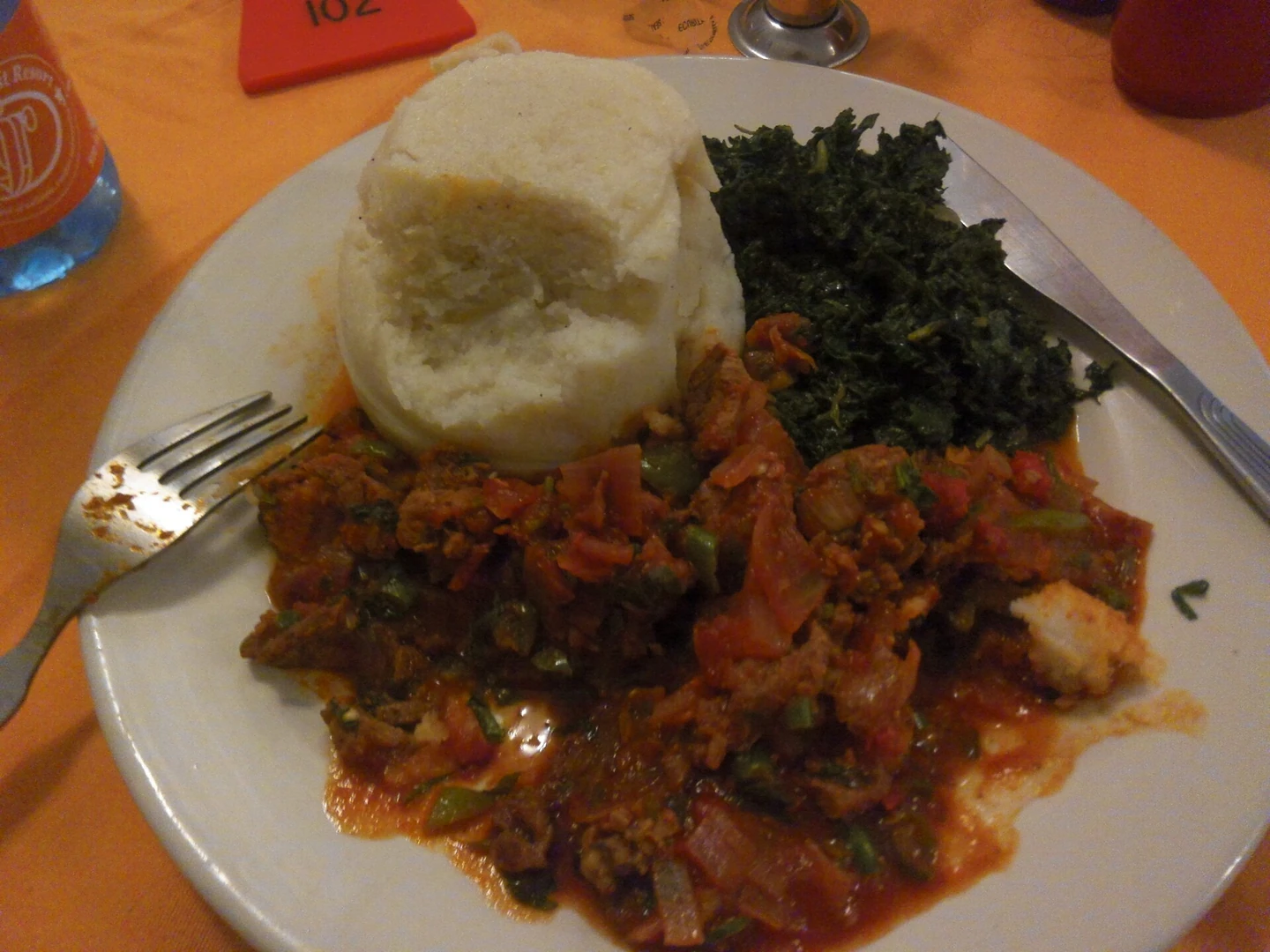
Research has not established that diet causes or prevents prostatitis. Some people report that spicy or acidic foods aggravate bladder discomfort; others do not. The useful approach is individual observation plus professional advice when symptoms persist.
Warmth and relaxation
Warm baths, local heat and relaxation exercises appear in clinical discussions of chronic pelvic pain as comfort strategies. They are supportive measures, not substitutes for diagnosis or treatment.
Movement
General physical activity supports overall health. For desk-based routines, short walking breaks may also help you compare how symptoms feel after long sitting versus more varied movement.
Sleep and stress
Poor sleep can amplify pain perception and reduce coping. Stress reduction may be relevant for some chronic pelvic pain patterns, but neither sleep nor stress explains every symptom.
Keep the hierarchy clear
- Urgent symptoms get urgent medical attention.
- Persistent or recurring symptoms get clinical assessment.
- Lifestyle observations can support that assessment and help you understand day-to-day variation.
That hierarchy prevents wellness advice from becoming a substitute for medical care.
Symptoms can overlap with urinary infection, BPH and other conditions. If you are unable to urinate, have fever/chills with painful urgent urination, see blood in urine or have severe lower-abdominal/urinary pain, seek urgent medical care.